




What Delaware Car Buyers Should Expect
Buying a car is exciting, but many shoppers focus on the sticker price and only later notice the extra charges that affect the final total. When planning for Delaware title and registration fees, it helps to understand that the out-the-door cost usually includes more than a single DMV payment. At Preston Hyundai of Millsboro, the goal is simple: help customers see the full cost before they sign. This guide explains the title fee, registration fee, document fee, plate-related charges, the Delaware car sales tax rate, and the paperwork that can affect timing and cost.

Introduction to Delaware Vehicle Fees
At our dealership, we want you to walk into your purchase fully informed—because the vehicle’s price is just one part of the total cost. In Delaware, every vehicle transaction includes state-required fees tied to titling, registration, title transfers, and other DMV documentation. Some of these fees are straightforward, flat charges, while others are calculated based on the vehicle’s value. That distinction can make a meaningful difference, especially if you’re purchasing a newer or higher-priced vehicle, where percentage-based fees can add up quickly.
We believe transparency is key to a smooth buying experience. That’s why we provide clear, upfront estimates of all applicable Delaware vehicle fees. When you know what to expect ahead of time, it’s easier to compare options, evaluate trade-ins, and move forward with confidence, without surprises at signing or delays in financing.
Why Fee Transparency Matters
Clear pricing builds trust between the buyer and the car dealership. It also helps customers accurately compare payment options before they have already chosen a vehicle, rather than guessing state fees. An itemized fee breakdown shows which costs are paid to the Delaware DMV and which are paid by the dealership or lender. That level of detail can prevent misunderstandings and make the final paperwork feel much more manageable.
The Main Fees to Expect in Delaware
These costs often include a title fee, a registration fee, a document fee, license plate charges, and smaller items such as a validation sticker or a registration card. Some of these charges are fixed, while others depend on the transaction type, the plate selected, or the vehicle value used by the Delaware Division of Motor Vehicles. Because official motor vehicle fees can change, buyers should always confirm current amounts with the Delaware DMV and review the official fee table before relying on any estimate.
Title Fee
The title fee is the standard charge for issuing a Delaware vehicle title. It is separate from dealer processing costs, separate from registration, and separate from the Motor Vehicle Document Fee. For buyers completing a transfer of ownership, the title fee is one of the routine state fees that should appear on the final paperwork. It is usually not the largest charge, but it is required for many transactions.
Registration Fee
The registration fee covers the cost of placing the vehicle into Delaware’s car registration records. The amount can vary depending on vehicle type, registration period, and whether the transaction is a first-time registration, a vehicle transfer, or a registration renewal. Buyers should also separate initial registration from later car registration renewal costs. A first-time title and registration transaction often includes more line items than a simple renewal.
Document Fee
The document fee is often the biggest cost driver in Delaware. Unlike a flat fee, this amount is generally tied to vehicle value, so the total can rise quickly on more expensive vehicles. Recent updates reported through the State of Delaware News have made the document fee percentage especially important to verify. If you are estimating costs after the October 1, 2025, fee change, confirm whether the current rate is the 5.25% document fee and how the Delaware DMV applies it.
How Delaware Calculates Total Title and Registration Costs
Many buyers assume the title fee represents the full cost of titling a car, but that is rarely the case. In practice, the total usually combines value-based charges with several DMV transaction fees. That is why fee estimation should start with both the vehicle purchase price and the expected state fees. For the most accurate buyer estimate, use the Delaware DMV fee calculator, current fee schedule, and official fee table rather than relying on outdated examples.
Flat Fees vs. Percentage-Based Fees
Flat fees are usually predictable. These can include the title fee, registration card fee, validation sticker fee, and certain standard plate charges. Percentage-based fees are less predictable because they depend on vehicle value. In Delaware, the document fee percentage can make a major difference, particularly when the Motor Vehicle Document Fee is calculated from the transaction amount or another accepted valuation method.
Vehicle Value and Taxable Basis
The state may use the sale amount, a value guide, or another approved benchmark to determine the taxable basis for the document fee. In some cases, the NADA book value may matter if the reported purchase amount does not match the vehicle’s expected market value. That is one reason two buyers can face very different totals even when their forms look similar. A lower-priced used vehicle and a newer SUV may have the same title application and registration application, but very different document fee results.
Typical Delaware Fees Buyers Should Know
Delaware buyers often hear broad terms like “tags” or “registration costs,” but the actual fee list is more specific. Common examples include the title fee, validation sticker, registration card, and standard license plate charges. At our dealership, we present these as examples drawn from the Delaware DMV fee schedule, not as permanent guarantees. That distinction matters because the official fee table can change, and some line items only apply in special situations.
Common Fixed DMV Charges
Routine fixed DMV charges are usually modest compared with the document fee. They may include the title fee, registration card, and validation sticker needed to complete vehicle registration. These smaller charges still belong in the out-the-door cost. Even when each amount seems minor on its own, together they affect budgeting and financing.

Step-by-Step: Estimating Your Delaware Out-the-Door Cost
A simple estimate can prevent a lot of frustration. Buyers do not need to master every line of the Delaware Code to arrive at a reasonable starting number before visiting the dealership or DMV.
This process also supports financing decisions, trade-in planning, and cash budgeting. A realistic estimate makes it easier to understand what you can afford, without being surprised by delivery fees. We encourage you to utilize the Fee Calculator on the official Delaware DMW website to get a better idea of your total costs for your Delaware title, registration, and sales tax.
Step 1: Start With the Vehicle Price
Begin with the agreed vehicle purchase price or a realistic market estimate. This is important because the document fee may be tied to the transaction amount or another measure of vehicle value. If the price seems unusually low compared with the market, check whether the NADA book value or another reference may affect the fee basis. That can change your estimate.
Step 2: Add Required DMV Charges
Next, add the title fee, registration fee, and any routine fixed charges such as the registration card and validation sticker. If the transaction requires a new license plate, include plate costs as well. This step gives you a more complete picture of state fees. It also helps separate DMV charges from dealer services or financing-related costs.
Step 3: Confirm With the Official Calculator or DMV
Use the DMV fee calculator, available through the Delaware Division of Motor Vehicles. Official tools are the best final check because fee schedules, exemptions, and transaction rules can change. Our team can help explain the estimate and gather documents, but the Delaware DMV remains the official authority. That is especially true for unusual title transfer cases or fee exemptions.
Examples of Common Buyer Scenarios
Buying a Used Car From Our Delaware Dealership
A used-car buyer may owe a title fee, registration charges, and a document fee based on the vehicle’s value. If our dealership handles the DMV paperwork, the customer should still receive an itemized fee breakdown with each line item clearly identified.
Moving to Delaware With an Out-of-State Vehicle
New residents bringing an out-of-state vehicle into Delaware may face a different process than an in-state purchase. Vehicle inspection, prior title documents, insurance, and timing at the inspection lanes can all affect how quickly registration is completed.
Renewing an Existing Registration
A registration renewal is usually simpler than first-time titling. Still, an expired registration can trigger a late fee, so buyers should not assume renewal costs will always match the standard car registration renewal amount.
Documents and Requirements That Affect Fees
Missing paperwork can slow everything down. In some cases, it can lead to additional trips, corrected filings, replacement forms, or delays that affect financing and delivery timing. Prepared buyers usually have a smoother experience at both the dealership and the DMV. That is why we always review the paperwork early, rather than waiting until the last minute.
Required Paperwork
Typical documents include the signed title, proof of insurance, identification, bill of sale, title application, and registration application. Depending on the transaction, buyers may also need lien details, an odometer disclosure, and documents supporting the transfer of ownership. For title transfer and vehicle transfer transactions, accuracy matters. A missing signature or a mismatch in names can delay processing even when the fees are ready to be paid.
Inspection and Insurance Considerations
Some Delaware transactions require vehicle inspection before plates and registration can be issued. Buyers moving from another state should be prepared to use Delaware inspection lanes if the vehicle must be inspected locally. Insurance is also essential. A valid Delaware insurance policy and current proof of insurance are generally required before Delaware tags or registration can be issued.
Common Mistakes Buyers Make
Most fee problems stem from misunderstandings of the differences between title, registration, and document-related charges. The good news is that these mistakes are easy to avoid with a little planning and assistance from our friendly finance professionals.
Assuming the Title Fee Is the Total Cost
Many buyers see the title fee and assume that it is the full amount due for titling a vehicle. In reality, a complete estimate should include the registration fee, document fee, and any transaction-specific state fees.
Ignoring Fee Changes
State fee schedules can change over time. Buyers should verify current figures, including the document fee percentage, any updates to the 5.25% document fee, and the rules related to the October 1, 2025, fee change. The legal basis for some of these charges appears in the Delaware Code. Reviewing official sources is smarter than relying on old forum posts or outdated dealer quotes.
Arriving Without the Right Documents
A missing title signature, absent proof of insurance, or incomplete title application can delay registration. These delays are especially frustrating when financing, inspection, or delivery timing is already in motion.

How We Help Customers Understand Delaware Fees
Our role at Preston Hyundai of Millsboro is to make the process clearer, not more complicated. We focus on education, accurate estimates, and practical help with DMV paperwork so customers know what to expect before they buy. We also remind buyers that the Delaware Division of Motor Vehicles is the final authority on state fees, exemptions, and processing rules. That includes questions about active-duty military, veterans, and other fee exemptions that may apply to specific transactions.
Itemized Fee Breakdowns
Before finalizing a sale, we provide a line-by-line estimate whenever possible. That breakdown separates vehicle price, dealer charges, DMV fees, and document-related costs so the customer can review the total with confidence. A clear itemized fee breakdown also helps buyers compare vehicles more accurately. It is much easier to evaluate monthly payments when the out-the-door cost is transparent.
Support With DMV Paperwork
Our staff helps customers gather forms, review signatures, and understand next steps. This support is especially useful for first-time buyers, new residents, and anyone handling an out-of-state vehicle transfer. We can also explain how paperwork such as the bill of sale, odometer disclosure, registration application, and title application fits into the process. That reduces avoidable errors and speeds up the transaction.
Key Takeaways for Delaware Car Buyers
Most Delaware title and registration costs involve multiple fee categories. Buyers should expect a mix of fixed DMV charges and a value-based document fee, which may be the largest part of the total. The smartest approach is to review official Delaware DMV resources, use the DMV fee calculator, and ask our team at Preston Hyundai of Millsboro for a clear buyer estimate before signing. When the fees are explained up front, budgeting becomes easier, and the purchase process feels far less stressful.
FAQs
How much does it cost to title and register a car in Delaware?
It depends on the vehicle and transaction. Most buyers will pay a title fee, registration-related charges, and a document fee that may be based on vehicle value.
Do both parties need to be present to transfer a title in Delaware?
Not always. The title must be properly signed, and the required documents must be complete, so buyers should confirm current Delaware DMV rules for their specific situation.
How much are title and doc fees?
The title fee is usually a fixed DMV charge. The document fee is often the largest variable because it may be calculated as a percentage of the vehicle’s value.
How much are tags in Delaware?
Many buyers group several costs together as “tags.” The total may include plates, registration, title processing, and the Motor Vehicle Document Fee, which can make the amount feel much higher.

Preston Hyundai of Millsboro
Address
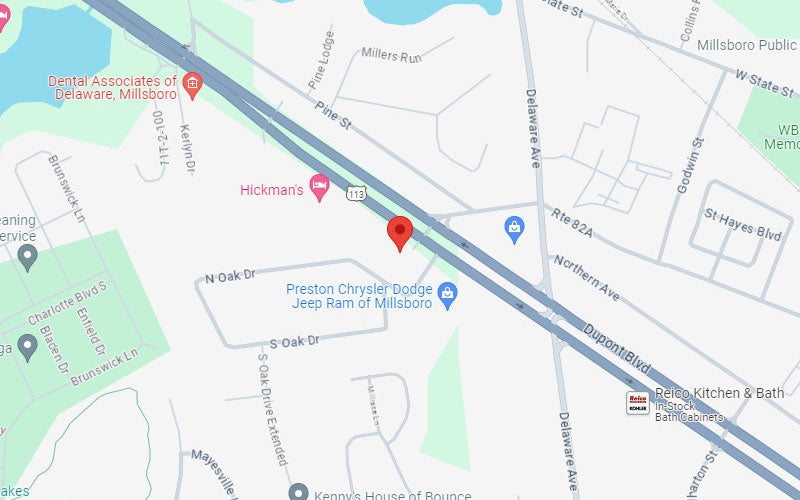
28362 Dupont Blvd
Millsboro, DE 19966
Phone
- Call Us 302-297-4200
| Monday | 8:30AM - 8:00PM |
| Tuesday | 8:30AM - 8:00PM |
| Wednesday | 8:30AM - 8:00PM |
| Thursday | 8:30AM - 8:00PM |
| Friday | 8:30AM - 8:00PM |
| Saturday | 8:30AM - 6:00PM |
| Sunday | Closed |
| Monday | 7:00AM - 6:00PM |
| Tuesday | 7:00AM - 6:00PM |
| Wednesday | 7:00AM - 6:00PM |
| Thursday | 7:00AM - 6:00PM |
| Friday | 7:00AM - 6:00PM |
| Saturday | 8:00AM - 5:00PM |
| Sunday | Closed |
| Monday | 7:00AM - 6:00PM |
| Tuesday | 7:00AM - 6:00PM |
| Wednesday | 7:00AM - 6:00PM |
| Thursday | 7:00AM - 6:00PM |
| Friday | 7:00AM - 6:00PM |
| Saturday | 8:00AM - 5:00PM |
| Sunday | Closed |
The listed price includes freight and destination charges but does not include taxes, titling, registration, and a $799 document processing fee. Keep this fact in mind when using the monthly payment calculator to estimate your payment. Also, remember that all financing is subject to approved credit. Published prices are subject to change without notice, and all inventory is subject to prior sale. We attempt to remove published inventory from our website as soon as possible after a sale, but to be safe, you should call to confirm that the vehicle you are looking for is available. Vehicles shown at different locations in the group are not currently in our store’s inventory, but we can arrange to have a vehicle at our location within a reasonable time. We make every effort to provide accurate, up-to-date information in describing and pricing a vehicle, but occasionally we make mistakes due to typographical, photographic, human, or technical error. In the rare event that we make such a mistake, we reserve the right to correct the error and update the price. Check whether the photograph of a vehicle you are interested in is an example provided by the manufacturer, as not all of our photographs are of the actual vehicle being offered for sale.