



Hyundai Sonata Cost of Ownership

Do Hyundai Sonatas Hold Their Value?
The Hyundai Sonata is a popular midsize sedan that offers a blend of sleek design, comfortable interior, and impressive fuel economy. With various trim levels available, buyers can select from multiple options to suit their preferences and budget. As a sought-after model, understanding its resale value, depreciation, and overall cost of ownership is essential for potential buyers. Ready to learn more about the cost of a Hyundai Sonata? Keep reading and visit Preston Hyundai of Millsboro for a test drive.

Hyundai Sonata Depreciation Value
The resale value of the Hyundai Sonata is influenced by factors such as reliability, popularity, initial cost, maintenance expenses, and technological advancements. According to Car Edge, the Hyundai Sonata will depreciate by approximately 46% over five years, leaving a 5-year resale value of around $16,679. This depreciation rate is relatively standard for midsize sedans, making it a solid choice for buyers focused on value retention.
Hyundai Sonata Cost of Ownership
Owning a Hyundai Sonata is often described as a rewarding experience, thanks to its reliability, comfort, and features. The 5-year cost of ownership is estimated to be around $41,000 to $44,000, considering factors like maintenance, insurance, and fuel costs. Hyundai’s ownership benefits, including warranty coverage, maintenance programs, and roadside assistance, add further value. Speak with our finance team to learn more about the Hyundai Sonata interest rate today.
Hyundai Sonata Features and Options
The Hyundai Sonata stands out with advanced safety features, modern infotainment systems, and comfortable interior amenities. Buyers can choose from various trim levels, including hybrid options, to meet their specific needs. The sleek design and well-appointed interior make it a favorite among midsize sedan buyers.

Hyundai Sonata Performance and Handling
With a variety of engine options, including hybrid models, the Hyundai Sonata balances performance and fuel economy. The sedan’s handling and suspension offer a smooth and comfortable ride, ideal for daily driving. For those seeking a sportier experience, certain trims offer sport-tuned suspension and performance-enhancing features.
Hyundai Sonata Ownership Experience
Owning a Hyundai Sonata is often described as a rewarding experience, thanks to its reliability, comfort, and features. The 5-year cost of ownership is estimated to be around $41,000 to $44,000, considering factors like maintenance, insurance, and fuel costs. Hyundai’s ownership benefits, including warranty coverage, maintenance programs, and roadside assistance, add further value.
Hyundai Sonata Resale Value
The resale value of a Hyundai Sonata is influenced by factors such as condition, mileage, and trim level. Hyundai’s reputation for building reliable vehicles helps maintain its resale value over time. Buyers who plan to sell their Hyundai Sonata in the future should consider these factors to maximize their vehicle’s resale potential.
Hyundai Sonata Maintenance Cost
When considering the Hyundai Sonata, it’s important to factor in maintenance expenses to get a complete picture of ownership costs. Reports indicate that routine maintenance for the Hyundai Sonata typically falls between $3,000 and $5,000 over a five-year period. This estimate covers regular services like oil changes, tire rotations, brake inspections, and occasional part replacements. Staying on top of scheduled maintenance can help ensure the Hyundai Sonata continues to perform reliably and efficiently, potentially saving owners from costly repairs in the long run. Schedule maintenance at our state of the art service center today!
Hyundai Sonata Insurance Cost
The cost of insuring a Hyundai Sonata varies based on a variety of factors such as your driving record, location, and chosen coverage options. Its excellent safety ratings may help lower insurance premiums. Comparing multiple quotes is recommended to find the best rates. On average, insurance expenses for the Hyundai Sonata are reported to range between $5,000 and $6,000 over a five-year period.

Hyundai Sonata Purchase and Financing
Buyers have multiple financing options, including loans and leases, when purchasing a Hyundai Sonata. Use our payment calculator to map out your potential Hyundai Sonata monthly payments. Hyundai Certified Pre-owned and used Hyundai Sonatas are also available for those seeking budget-friendly options.
Find Your Next Hyundai
The Hyundai Sonata is a well-rounded sedan that offers an appealing combination of design, comfort, and efficiency. Understanding the Hyundai Sonata’s cost, depreciation, and resale value can help buyers make informed decisions. With its sleek design, comfortable interior, and competitive pricing, the Hyundai Sonata remains a reliable and affordable choice for buyers seeking long-term value and performance. Head to Preston Hyundai of Millsboro to get your Hyundai Sonata!
SHOP NOWHyundai Santa Fe Cost of Ownership

What You Need to Know
When it comes to buying a new car, understanding the cost of ownership is just as important as the purchase price. For those considering the Hyundai Santa Fe, a popular midsize SUV, it’s crucial to evaluate factors such as depreciation, insurance, maintenance, and financing before making your decision. In this blog, we’ll break down the Hyundai Santa Fe cost of ownership, including its depreciation, resale value, insurance, maintenance, and monthly payment. Head to Preston Hyundai of Millsboro to map out your Hyundai Santa Fe cost and take a test drive!
Hyundai Santa Fe Overview
The Hyundai Santa Fe is a midsize SUV known for its comfort, practicality, and excellent value. The 2024 Hyundai Santa Fe is priced between $33,000 and $48,000, depending on the trim level and added features. With a variety of configurations, the Hyundai Santa Fe caters to different preferences and needs, from families to adventure seekers. While it offers solid performance and modern technology, prospective buyers should also be aware of the long-term costs of ownership to fully understand its value.
Hyundai Santa Fe Depreciation
When it comes to depreciation and the Hyundai Santa Fe resale value, the Hyundai Santa Fe performs relatively well within its class. According to Car Edge reports, a Hyundai Santa Fe will lose about 45% of its value after five years, leaving it with a five-year resale value of approximately $24,851. Within just three years, the vehicle will have depreciated by roughly one-third of its original price, which is typical for most vehicles in its category. While this level of depreciation is standard, it means that while the Hyundai Santa Fe doesn’t hold onto its value as strongly as some high-resale vehicles, it still offers a reasonable return when it comes time to sell or trade-in.

Hyundai Santa Fe Costs of Ownership
Understanding the total Hyundai Santa Fe cost of ownership is essential for budgeting and long-term planning. This includes expenses like insurance, maintenance, and financing. For the Hyundai Santa Fe, here’s a breakdown of what to expect:
Hyundai Santa Fe Insurance Cost
Over five years, you can expect to spend around $4,000 to $5,000 on insurance for your Hyundai Santa Fe. Insurance premiums can vary based on factors such as your driving history, location, and the specific trim of your vehicle. It’s always a good idea to shop around for insurance quotes to find the best rate for your specific situation.
Hyundai Santa Fe Maintenance Cost
Hyundai provides complimentary maintenance for the first 3 years or 36,000 miles (whichever comes first), which can help reduce initial ownership costs. However, after this period, maintenance costs for the Hyundai Santa Fe can range between $5,000 and $7,000 over the next five years, depending on the model and driving conditions. Regular maintenance includes services like oil changes, tire rotations, brake inspections, and more. Keep in mind that these costs can vary by region and trim level.
Hyundai Santa Fe Financing
For those interested in financing, the Hyundai Santa Fe offers competitive rates. However, your monthly payment will depend on factors like your credit score, loan term, and down payment. Our free online payment calculator can estimate your Hyundai Santa Fe monthly payment. If you’re considering purchasing a new Hyundai Santa Fe, it’s worth noting that the financing rates may be more favorable if you take advantage of promotional offers.

Is It Worth the Investment?
While the Hyundai Santa Fe does experience depreciation, it offers solid value in terms of practicality, comfort, and reliability. It’s a great choice for families and individuals who need space, safety features, and a smooth driving experience. The 5-year cost of ownership typically ranges from $53,000 to $65,000, which is competitive for its class, considering its quality and features.
Do Hyundai Santa Fes Hold Their Value?
While Hyundai Santa Fes don’t have the best resale value in the industry, they certainly hold their value better than many other midsize SUVs. They offer good reliability, affordable ownership costs, and a decent resale value for those who decide to sell after several years. However, as with all vehicles, the Hyundai Santa Fe depreciation will be more significant in the early years of ownership.
Get Your Hyundai Santa Fe
The Hyundai Santa Fe is a well-rounded midsize SUV offering a blend of practicality, comfort, and modern features. Whether you buy new or used, the Hyundai Santa Fe’s cost of ownership is competitive for its class. If you’re looking for a family-friendly SUV that won’t break the bank, the Hyundai Santa Fe is certainly worth considering. Head to Preston Hyundai of Millsboro to browse our inventory and learn more details about the Hyundai Santa Fe cost.
SHOP NOWHyundai Elantra Cost of Ownership

How Much Does A Hyundai Elantra Cost?: Pricing, Value, and Depreciation
When shopping for a compact car, the Hyundai Elantra stands out as a great option. With its reputation for affordability, fuel efficiency, and modern features, it’s a popular choice among drivers. But how much does it cost to own, maintain, and insure a Hyundai Elantra? In this blog, we’ll break down the Hyundai Elantra cost, including its price range, depreciation, insurance and maintenance costs, and more. Head to Preston Hyundai of Millsboro to review all the details of the Hyundai Elantra cost and take a test drive!
Hyundai Elantra Costs of Ownership
The overall cost of ownership for a Hyundai Elantra is influenced by several factors:
- Fuel Economy: The Hyundai Elantra’s impressive gas mileage can save you significant money at the pump.
- Maintenance: Routine service and maintenance are typically affordable, especially when considering the car’s longevity.
- Insurance: The insurance premiums for a Hyundai Elantra tend to be on the lower end of the spectrum for compact sedans.
When you factor in all of these elements, the cost of owning a Hyundai Elantra is very competitive, especially when compared to similar vehicles in its class. To map out your Hyundai Elantra monthly payment, click here to use our free online payment calculator.

Hyundai Elantra Insurance Cost
Insurance is an important factor when considering the total cost of ownership. The Hyundai Elantra insurance cost can vary depending on several factors, including your location, driving record, and the specific model you choose. On average, over a period of 5 years, you can expect to pay between $4,000 and $22,000 for insurance. Insurance premiums for the Hyundai Elantra are generally affordable compared to other vehicles in its class, but you should always get a personalized quote from your insurer for a more accurate estimate.
Hyundai Elantra Maintenance Cost
When it comes to maintenance costs, the Hyundai Elantra is relatively affordable. On average, you can expect to pay between $3,000 and $5,000 for maintenance over a 5-year period. This is fairly reasonable compared to other compact sedans, which often require higher maintenance costs due to their complexity or higher-priced parts. Routine maintenance for the Elantra typically includes oil changes, brake pad replacements, tire rotations, and other standard services. With Hyundai’s generous warranty, you may also be able to save on certain repairs, further reducing your overall cost of ownership.
Hyundai Elantra Value
The Hyundai Elantra offers excellent value for the money, especially when you consider its fuel efficiency, advanced features, and competitive pricing. The Hyundai Elantra is a compact sedan that combines affordability, modern features, and impressive fuel efficiency. With a sleek design, user-friendly infotainment options, and advanced safety features, it offers great value for those seeking a reliable daily driver. It also stands out for its strong Hyundai Elantra resale value and low ownership costs, making it a smart choice for budget-conscious buyers. Whether you’re commuting or taking a road trip, the Hyundai Elantra delivers both practicality and style.

Do Hyundai Elantras Hold Their Value?
One of the most common questions when considering a car purchase is whether it will hold its value over time. The Hyundai Elantra is known for maintaining a strong resale value compared to many of its competitors. According to Car Edge reports, the Hyundai Elantra will depreciate by about 35% after 5 years, leaving it with a 5-year resale value of $16,916. This is impressive for a compact sedan, especially when you consider the typical depreciation rates in this category. So, if you’re looking for a car that performs well and holds its value over time, the Hyundai Elantra is a solid investment.
Buy a Hyundai Elantra
If you’re looking for a compact sedan that offers great value, low ownership costs, and solid resale potential, the Hyundai Elantra is a great option. With its low purchase price, excellent fuel efficiency, modern features, and strong resale value, the Hyundai Elantra is a top contender in the compact car market. Ready to get your Hyundai Elantra? Visit Preston Hyundai of Millsboro today and explore the variety of models available, whether you’re looking for a new one or a pre-owned one.
SHOP NOWHyundai Santa Cruz SEL Activity Package

Adapted for All Activities
The Hyundai Santa Cruz is a compact pickup truck that seamlessly combines style, versatility, and capability. Built on the platform of the Hyundai Tucson crossover, it stands out with its distinctive design and a functional four-foot truck bed. Available in a variety of trim levels, including the Hyundai Santa Cruz SEL Activity Package, the Hyundai Santa Cruz offers a flexible solution for those seeking a practical yet stylish vehicle for both work and play. Follow along to learn more and head to Preston Hyundai of Millsboro to view the Hyundai Santa Cruz SEL Activity Package up close.

Engine and Transmission
Each Hyundai Santa Cruz is powered by a 2.5L four-cylinder engine that produces 191 horsepower and 181 lb.-ft. of torque and has an 8-speed automatic with SHIFTRONIC®. The Hyundai Santa Cruz SEL Activity with AWD is available to add on while Drive Mode Select is a standard feature on this trim. The towing capacity maxes out at 3,500 lbs. with FWD and can allow up to 5,000 lbs. with available HTRAC AWD.
Bed Utility
The Hyundai Santa Cruz SEL Activity Package is designed with unbeatable bed utility features, making it the ultimate choice for those who need both versatility and convenience in their truck. The integrated tonneau cover ensures your gear stays safe and secure, while the sidewall bed storage compartments offer extra space for smaller items you want to keep organized and easily accessible. The standard remote release tailgate adds ease and convenience, allowing you to open the bed with the push of a button, and the heavy-duty cargo tie-down D-rings ensure that everything stays in place during your travels. For those who need power on the go, the 115-volt AC bed-mounted power outlet lets you charge tools or electronics right from the bed. Plus, the locking under-bed storage compartment provides an additional layer of security for valuable items you want to keep out of sight. Whether you’re hauling gear for an adventure or running errands, the Hyundai Santa Cruz’s bed features make every task simpler and more efficient.
Interior Comfort
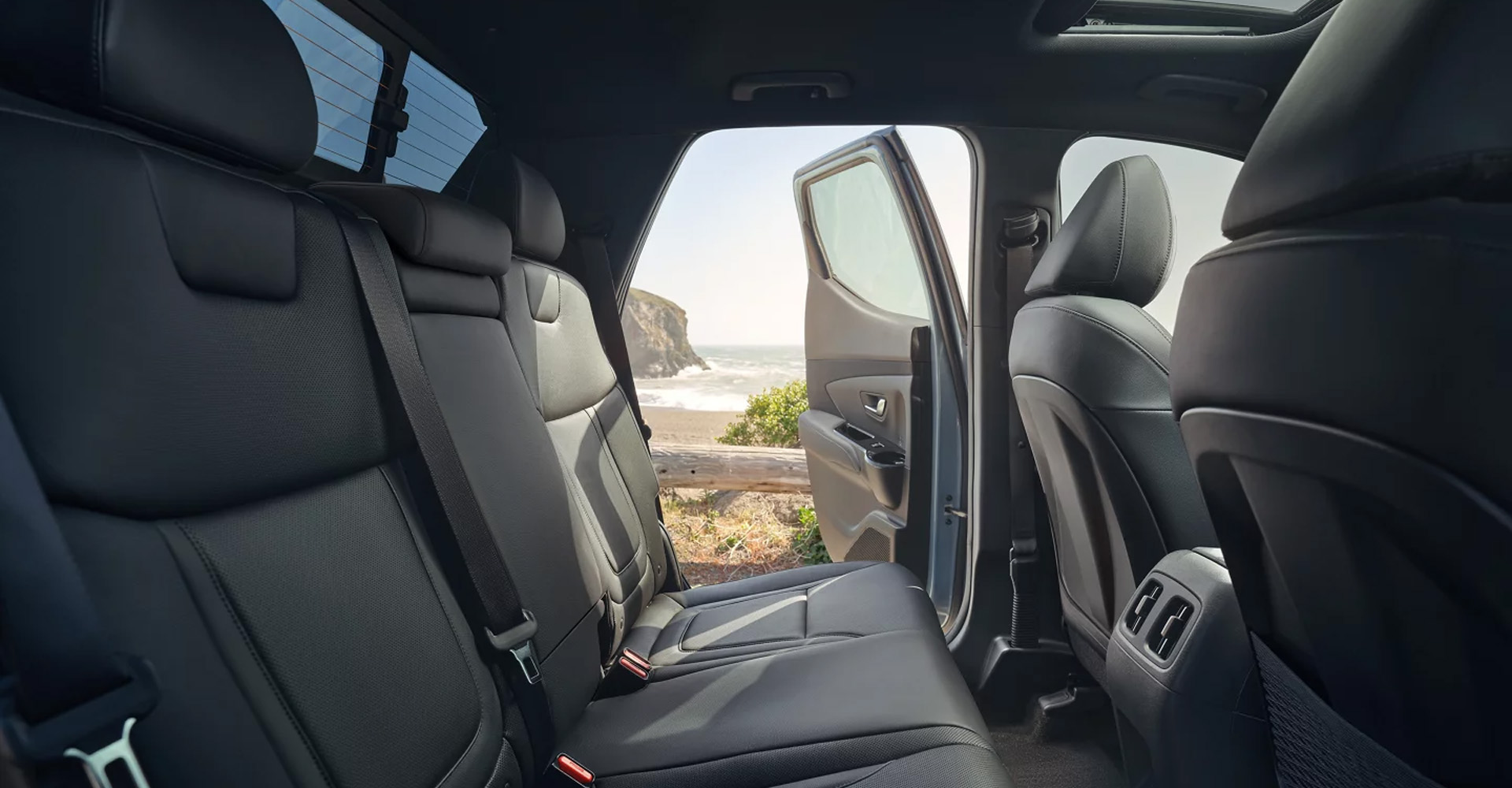
The Hyundai Santa Cruz SEL Activity Package redefines comfort, offering a refined interior that makes every ride feel like a luxury experience. The H-Tex® leatherette-trimmed seats not only look sleek but are also durable and easy to maintain, ensuring long-lasting comfort on both short commutes and long road trips. Dual automatic temperature control lets you and your passengers enjoy personalized climate settings, while heated front seats keep you cozy during chilly mornings. For rear-seat passengers, rear air conditioning vents provide added comfort, ensuring everyone stays cool or warm, no matter where they sit. Plus, the 8-way power driver seat with power lumbar support allows you to find your perfect driving position with ease, minimizing fatigue on those longer drives. With the Hyundai Santa Cruz SEL Activity Package, every journey is an opportunity to relax and enjoy the ride.
Design
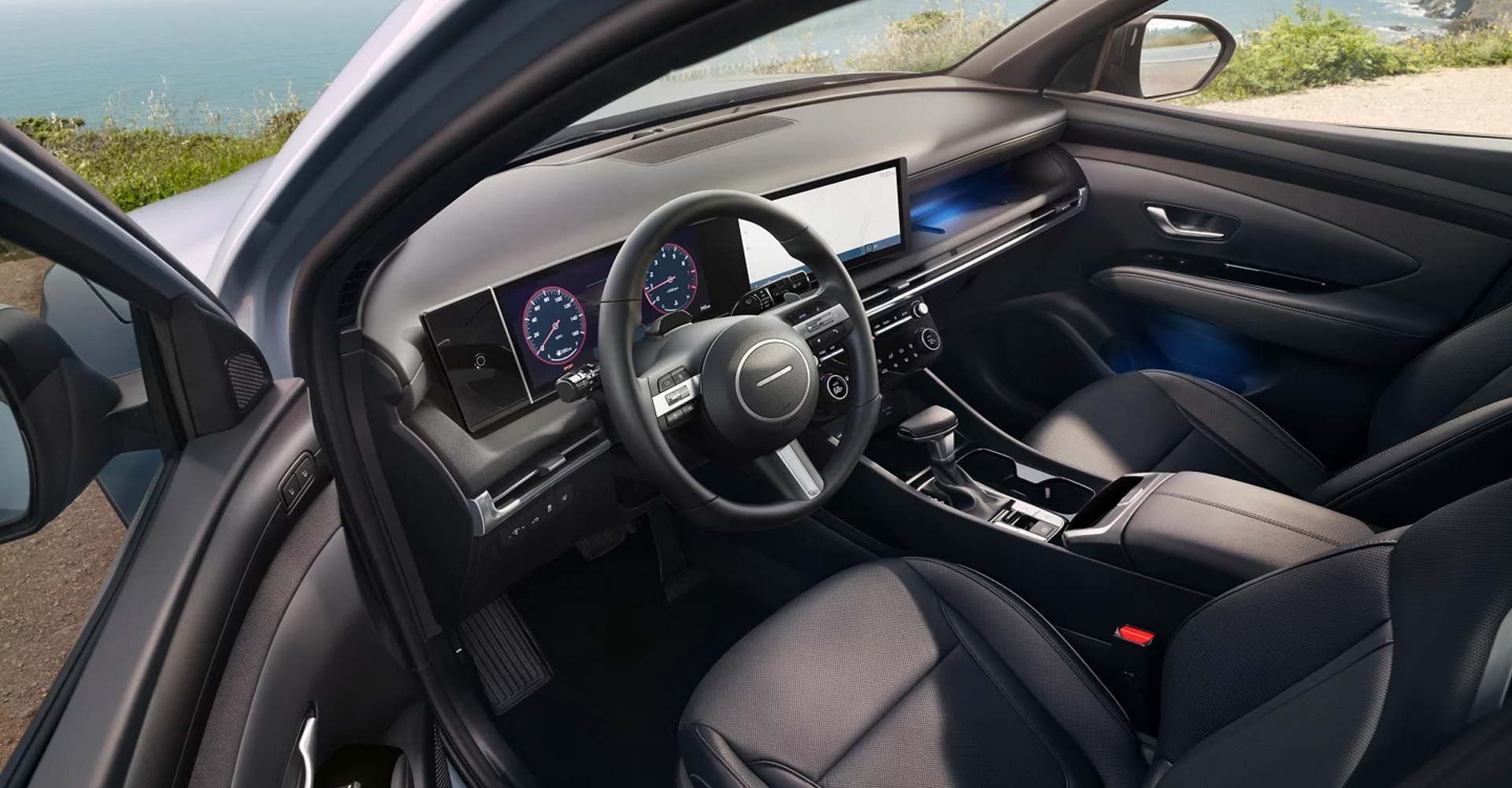
The Hyundai Santa Cruz SEL Activity Package combines rugged design with stylish sophistication, making it the perfect blend of form and function. It all starts with the bold 18-in. alloy wheels that enhance the vehicle’s dynamic stance, while the dual C-channel tracks and rail cleat system in the bed provide versatility for securing cargo. The power sunroof lets in fresh air and sunshine, adding a touch of open-air freedom to your drive. Roof side rails offer extra flexibility for carrying gear, from bikes to roof boxes, while the two rear USB Type-C ports keep your devices charged and ready to go. The exterior design stands out with Bi-LED projector headlights, sleek LED taillights, and LED Daytime Running Lights (DRL) for improved visibility and a modern look. Plus, the LED cargo light and bed lighting ensure you can access your gear even in low-light conditions. Whether you’re heading out on an adventure or navigating the city streets, the Hyundai Santa Cruz SEL Activity Package offers a design that’s as practical as it is eye-catching.
Technology
The Hyundai Santa Cruz SEL Activity Package takes in-vehicle technology to the next level, seamlessly blending convenience and innovation. At the heart of the experience is the stunning 12.3-in. touchscreen display, offering a vibrant and intuitive interface for navigation, entertainment, and more. With Wireless Apple CarPlay® and Wireless Android Auto™ integration, you can effortlessly connect your smartphone, giving you access to apps, music, and messages without the hassle of cords. The 12.3-in. fully digital instrument cluster provides a customizable and sleek view of key vehicle data, while wireless device charging keeps your phone powered up on the go. Plus, with Bluelink+, Hyundai’s connected car system, you can remotely access and control various features of your Santa Cruz, from starting the engine to checking tire pressure, all through the convenience of your smartphone. This tech-savvy package is designed to keep you connected, organized, and in control, no matter where the road takes you.
See For Yourself
As you can see, the Hyundai Santa Cruz SEL Activity Package stands out as a versatile and capable vehicle that expertly combines style, functionality, and value. Whether you’re navigating city streets or embarking on a weekend adventure, the Hyundai Santa Cruz offers the perfect balance of advanced safety features, a premium interior, and impressive towing capacity, making it an ideal choice for anyone seeking a reliable, fun-to-drive ride. Ready to experience it for yourself? Visit your local Hyundai dealer today to learn more about the 2025 Hyundai Santa Cruz SEL Activity Package price and take it for a test drive.
SHOP NOW
Sporty Style or Premium Looks? You Decide
The Hyundai Kona has captured the hearts of many with its stylish design, impressive fuel economy, and advanced technology. However, choosing the perfect trim can be tough. The Hyundai Kona N Line vs. Hyundai Kona Limited trims, in particular, offer unique features and performance characteristics. In this blog, we’ll dive deep into the details of these two popular trims. We’ll compare their key features, performance specs, and styling elements to help you determine which one best aligns with your lifestyle and driving preferences. Keep reading to discover the difference between the Hyundai Kona N Line vs. Hyundai Kona Limited, and head to Preston Hyundai of Millsboro for a test drive!
Introduction to the Hyundai Kona N Line and Limited Trims
The Hyundai Kona has quickly become a favorite among subcompact SUVs, offering a blend of style, efficiency, and technology. Two of its upper-level trims, the Hyundai Kona N Line and the Hyundai Kona Limited, cater to diverse preferences. Whether you prioritize luxury and comfort or sporty performance, these trims have something to offer.
Shared Features: Advanced Technology and Safety
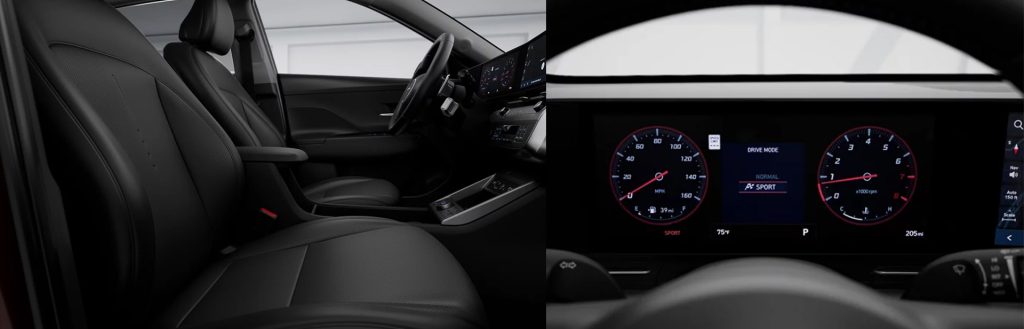
Either way, you’ll enjoy a suite of advanced technology and safety features. The expansive 12.3-inch digital gauge cluster provides clear and customizable information. Bluetooth® hands-free with wireless audio streaming, Bluelink® Connected Car System, Dynamic Voice Recognition, and Wi-Fi hotspot keep you connected. Advanced driver-assistance systems, like the Navigation-based Smart Cruise Control with Curve Control, Forward Collision-Avoidance Assist with Pedestrian Detection, Cyclist & Junction Turning Detection and Direct Oncoming, Highway Driving Assist, and High Beam Assist, enhance safety and convenience on every journey. Both trims and every Hyundai model come equipped with the Hyundai SmartSense suite of technology.
Design and Features Comparison
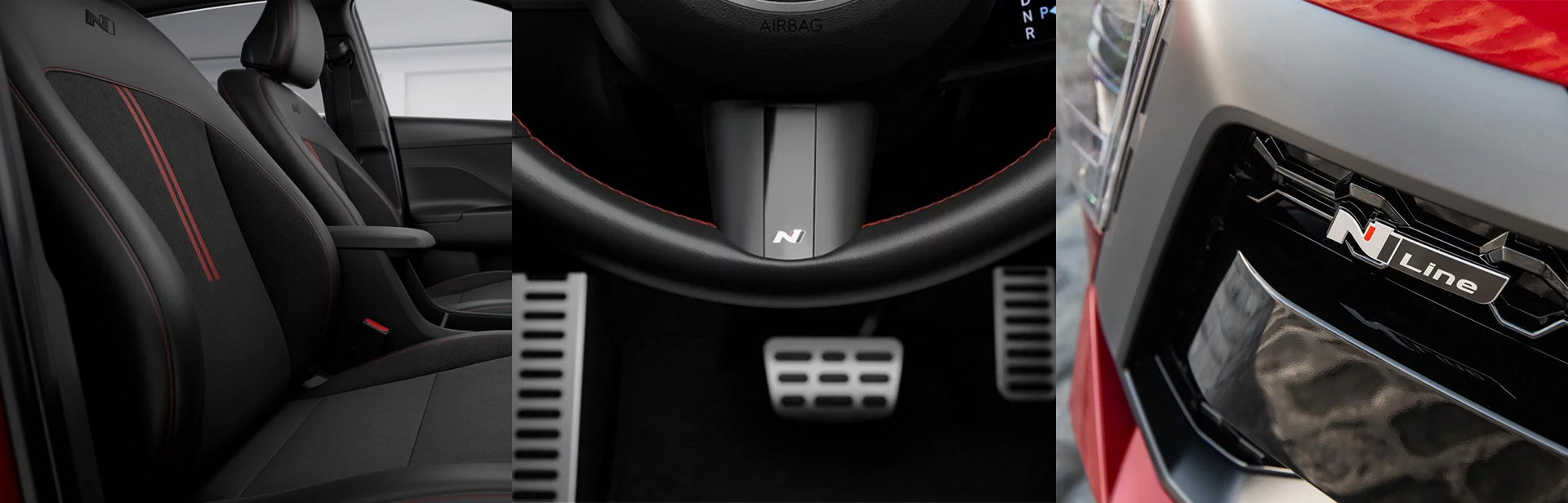
Both the Hyundai Kona N Line vs. Hyundai Kona Limited trims boast a sleek and modern design, but the N Line takes it a step further with its aggressive, sporty aesthetic. The Hyundai Kona N Line’s 19-inch N Line Design Alloy Wheels, distinctive front and rear fascia, and bold Hyundai Kona N Line badging set it apart on the road. Inside, the Hyundai Kona Limited trim offers a luxurious cabin with premium materials and features like ventilated front seats, ensuring comfort on even the hottest days. On the other hand, the Hyundai Kona N Line prioritizes performance with a sporty interior featuring a leather-wrapped steering wheel with the trim exclusive N Logo and N Line Black Alcantara® Sport Combination seating, providing excellent support during spirited driving.
Performance and Handling
Both the Hyundai Kona N Line and Limited trims are powered by a turbocharged 1.6L GDI 4-cylinder engine, delivering 190 horsepower and 195 lb.-ft. of torque. This advanced engine is paired with an 8-speed automatic transmission and is available with Front-Wheel Drive (FWD) or optional HTRAC All-Wheel Drive (AWD). However, the Hyundai Kona N Line takes performance to the next level with a 7-speed Dual Clutch Transmission and race-inspired design. This combination offers quicker shifts and a more engaging driving experience, making it the perfect choice for driving enthusiasts.
Which Trim is Right for You?
Consider your priorities when deciding between the Hyundai Kona N Line vs. Limited trims. If you want a luxurious and feature-rich experience, the Hyundai Limited trim offers premium amenities like ventilated front seats and a refined interior. For those seeking a more performance-oriented vehicle with a sporty aesthetic, the Hyundai Kona N Line trim delivers with its powerful engine, advanced transmission, and race-inspired design. All in all, the right choice depends on your budget, driving style, and personal preferences.
Take A Test Drive
The Hyundai Kona N Line vs. Limited trims offer a versatile and dynamic driving experience. Understanding each trim’s unique features and performance characteristics allows you to select the ideal model to match your lifestyle. Whether you prioritize luxury and comfort or thrilling performance, the Hyundai Kona offers something for everyone. Visit our website to explore the rest of the Hyundai Kona lineup in more detail and schedule a test drive at Preston Hyundai of Millsboro.
SHOP NOWHyundai Santa Fe Limited vs. Calligraphy

Which Hyundai Santa Fe Should You Select?
The Hyundai Santa Fe isn’t just an SUV; it’s a versatile canvas ready to be painted with your preferences. Each Hyundai Santa Fe trim level supplies a unique blend of features and style, from the budget-friendly Hyundai Santa Fe SE to the opulent Santa Fe Calligraphy. Whether you’re seeking a daily commuter, a weekend warrior, or a luxury cruiser, the Hyundai Santa Fe has a trim to match your lifestyle. Join us as we delve into the details of the two highest trims in the lineup: the Hyundai Santa Fe Limited vs. Calligraphy and make an informed decision by visiting Preston Hyundai of Millsboro.
Performance and Capability
When comparing the Hyundai Santa Fe Limited vs. Calligraphy, you’ll notice they pack the same punch when it comes to power. Both trims are powered by a turbocharged 2.5L inline-four engine, which delivers a robust 277 horsepower and 311 lb.-ft. of torque, ensuring a smooth and comfortable ride. The maximum towing capacity is also the same, reaching 3,500 lbs. when properly equipped.

Key Features of the Hyundai Santa Fe Limited
The Hyundai Santa Fe Limited provides you the perfect blend of luxury and practicality. Key features include a dual-pane sunroof, leather-trimmed seating, and ventilated front seats for enhanced comfort. For added versatility, the Limited trim offers seating for seven with a second-row bench seat. The available HTRAC All-Wheel Drive system provides optimal traction and control in various driving conditions. With its premium features and competitive pricing, the Hyundai Santa Fe Limited is an excellent choice for families and individuals seeking a stylish and well-equipped SUV.
Exclusive Features of the Hyundai Santa Fe Calligraphy
The Hyundai Santa Fe Calligraphy is the pinnacle of luxury and style. This top-tier trim level offers a host of exclusive features, including 21-in. dark finish alloy wheels, black anodized badging, and six-passenger seating. Inside, you’ll find opulent Nappa leather-trimmed seating, a relaxing driver’s seat with one-touch settings, and a 12-in. head-up display. Dual wireless device charging and a camera-based rearview mirror are also included for added convenience.

Safety and Technology
While the Hyundai Santa Fe is equipped with standard Hyundai SmartSense, the Hyundai Santa Fe Calligraphy features more safety features, including Blind-Spot Collision-Avoidance Assist, Highway Driving Assist II, Forward Collision-Avoidance Assist 2 w/ Pedestrian, Cyclist, Junction Turning, Junction Crossing, Lane-Change Oncoming, Direct Oncoming, Lane-Change Side, Driver Steering Assist, Auto-Evasive Steering Assist, and Evasive Steering Assist.
Make Your Move
Ultimately, the choice between the Hyundai Santa Fe Limited vs. Calligraphy depends on your individual needs and priorities. The Hyundai Santa Fe Limited offers a compelling blend of luxury and practicality, while the Hyundai Santa Fe Calligraphy delivers a top-tier luxury experience. Visit Preston Hyundai of Millsboro to explore the differences between the Hyundai Santa Fe Limited vs. Calligraphy in person and make an informed decision.
SHOP NOW
Which Trim is Right for You?
The Hyundai Palisade has quickly become a popular choice for families and outdoor enthusiasts alike. With its spacious interior, powerful engine, and advanced safety features, it’s easy to see why. But with a variety of trim levels to choose from, deciding on the perfect Hyundai Palisade can be a bit overwhelming. In this blog, we’ll dive deep into two of the most popular trims: the Hyundai Palisade SEL and the Hyundai Palisade Limited. We’ll compare their key features, pricing, and overall value to help you determine which one is the best fit for your lifestyle and budget. Keep reading to learn more about the Hyundai Palisade SEL vs. Limited and head to Preston Hyundai of Millsboro to view this spacious SUV in person!
Power in Palisade
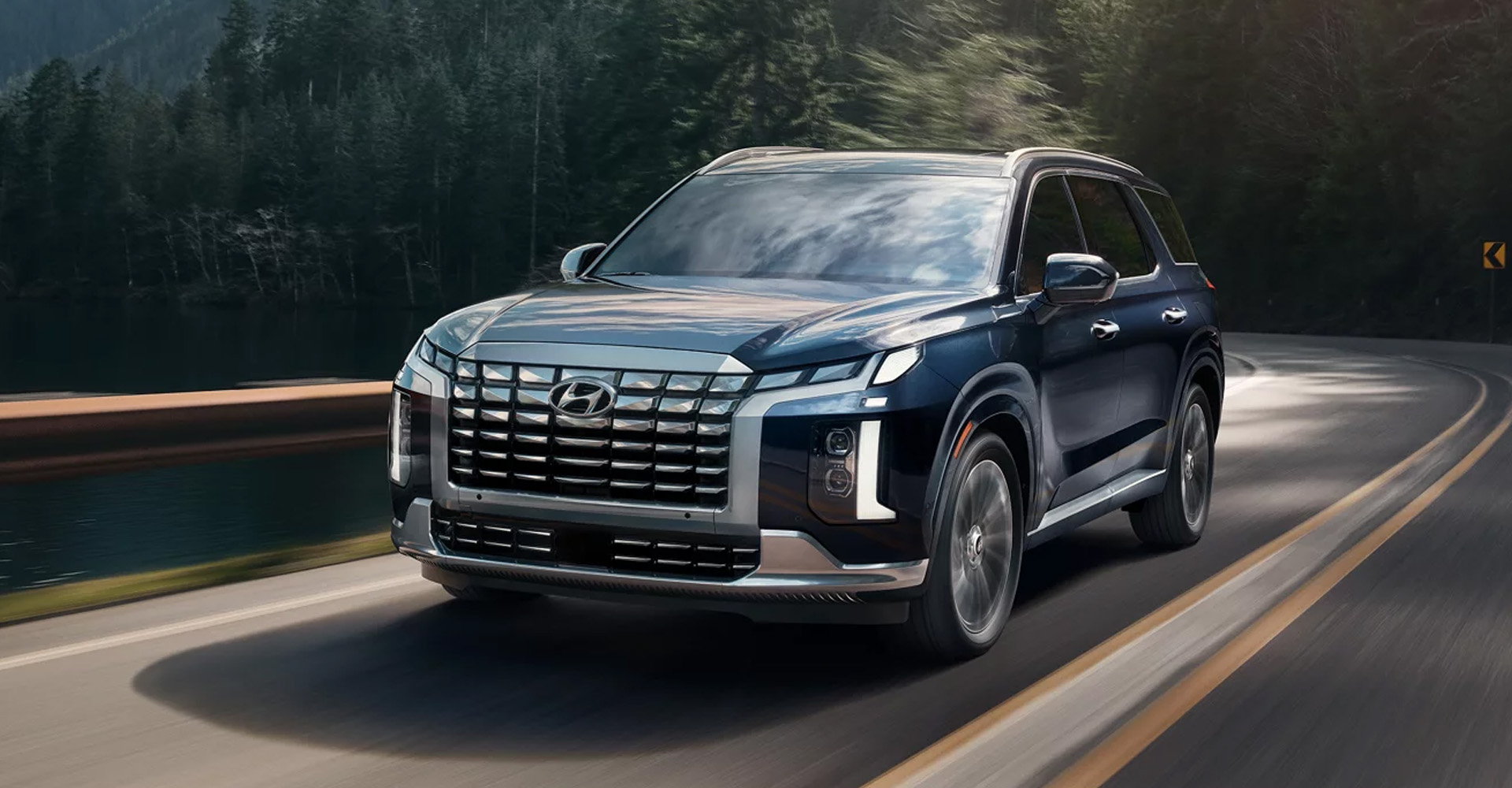
Both the Hyundai Palisade SEL and Limited trims provide a compelling blend of performance and convenience. They come powered by a robust 3.8L GDI V6 engine, delivering 291 horsepower and 262 lb.-ft. of torque to effortlessly propel you on every adventure. With it, you can expect exceptional EPA-estimated fuel efficiency with FWD (19 City/26 Highway/22 Combined) and AWD (19 City/24 Highway/21 Combined) options.* The Hyundai Palisade SEL comes with 18-inch alloy wheels, while the Hyundai Palisade Limited trim takes luxury to the next level with a more refined exterior. Its 20-inch wheels and auto-dimming side mirrors add a touch of sophistication, distinguishing it from the Hyundai Palisade SEL trim.
A Look Inside
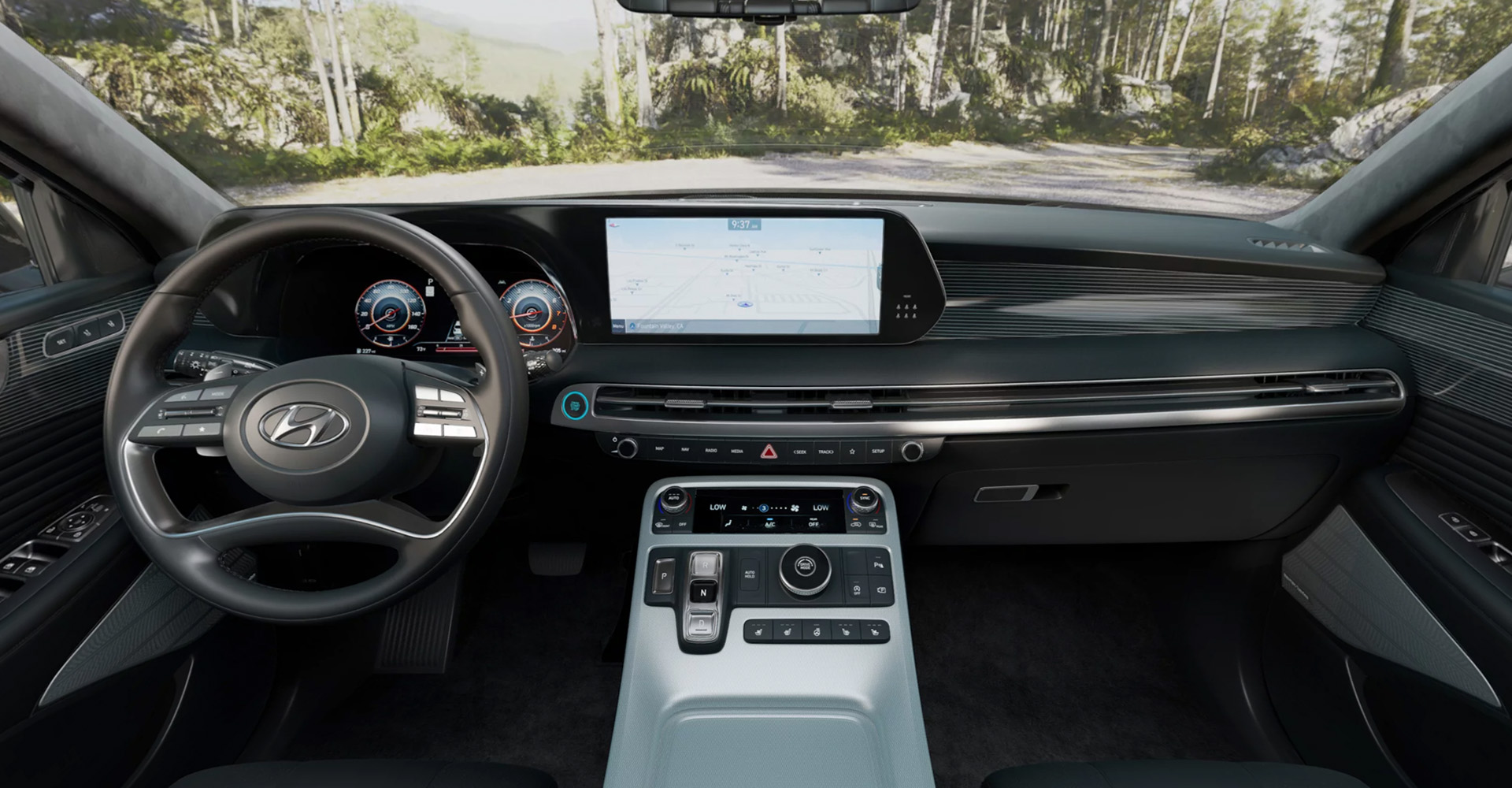
While both the Hyundai Palisade SEL vs. Limited trims share a comfortable interior with heated front seats and a 12.3-inch touchscreen, the Hyundai Palisade Limited trim offers additional features like a premium sound system and a larger 12.3-inch gauge cluster for a more immersive driving experience. Some of the key features include 3rd-row power folding/unfolding/reclining seats for added convenience, a premium Harman Kardon® audio system for an immersive listening experience, and a Passenger Talk in-car intercom for easy communication with rear passengers. The dual-panel sunroof, Head-up Display (HUD), and 12.3-inch digital instrument cluster enhance the driving experience, while heated 3rd-row seats and ambient lighting create a comfortable and stylish atmosphere. Advanced safety features such as Forward Collision-Avoidance Assist with various detection and assistance functions provide peace of mind on the road.
Hyundai Palisade SEL Premium Package vs. Limited
There is another popular Hyundai Palisade trim: the Hyundai Palisade SEL Premium trim. The Hyundai Palisade SEL Premium Package is a compelling option for those seeking a bit more luxury and versatility. It elevates the standard Hyundai Palisade SEL with features like a spacious 8-passenger seating configuration, 4-way lumbar support for the driver, and climate-controlled front and second-row seats. These enhancements create a truly comfortable and accommodating interior, perfect for long road trips or family outings.
Which Hyundai Palisade Will You Pick?
Choosing between the Hyundai Palisade SEL vs. Hyundai Palisade Limited ultimately depends on your specific needs and preferences. If you’re on the hunt for a well-equipped SUV with a modern interior and advanced safety features, the Hyundai Palisade SEL is an excellent choice. However, if you prioritize luxury, cutting-edge technology, and a more refined driving experience, the Hyundai Palisade Limited trim is the way to go. Remember, the best way to make a decision is to experience these vehicles firsthand. Visit Preston Hyundai of Millsboro to test drive both trims and see which one resonates with you.
SHOP NOW2025 PALISADE: FWD 19 City/26 Hwy/22 Combined MPG, HTRAC AWD 19 City/24 Hwy/21 Combined MPG. All figures are EPA estimates and for comparison purposes only. Actual mileage may vary with options, driving conditions, driving habits and vehicle’s condition.
Hyundai Tucson SEL Convenience Package

Hyundai Tucson SEL Convenience Specs: Top Features and Benefits
The Hyundai Tucson has consistently been a top-selling compact SUV known for its blend of style, comfort, and performance. Upgrade your Hyundai Tucson journey with the SEL Convenience Package, tailored to make your driving experience safer, more enjoyable, and more convenient. Keep reading to learn more about the Hyundai Tucson SEL Convenience Package, and head to Preston Hyundai of Millsboro to view it in person!
Safety and Convenience Features
The Hyundai Tucson SEL Convenience Package offers advanced safety features for your peace of mind. These include:
- Rear Cross Traffic Alert to help you avoid collisions when backing out of parking spaces
- Blind Spot Collision Warning to alert you of vehicles in your blind spots
- Cruise Control for a more relaxed driving experience
- Auto-dimming rearview mirror to reduce glare from headlights
- Navigation-based Smart Cruise Control with Curve Control for adaptive cruise control that adjusts to the curve of the road
- Highway Driving Assist for semi-autonomous driving assistance
- High Beam Assist for automatic switching between high and low beams
- Smart Cruise Control 2 for advanced adaptive cruise control features
- Forward Collision-Avoidance Assist with Pedestrian, Cyclist, and Junction Turning Detection to help prevent accidents
- Forward Attention Warning to monitor your alertness while driving
- Lane Keeping Assist to help keep you centered in your lane
- Lane Following Assist for more advanced lane-keeping assistance
- Advanced Rear Occupant Alert to remind you to check the rear seats before exiting
- Rear Cross-Traffic Collision-Avoidance Assist to help avoid collisions when backing out
- Rear View Monitor for a clear view behind your vehicle
- Electronic Parking Brake for easy parking
- Safe Exit Warning to alert you of approaching vehicles when exiting the vehicle

Technology and Entertainment
The Hyundai Tucson SEL Convenience Package includes advanced technology features for connectivity and entertainment, such as:
- Wireless Apple CarPlay® integration for easy smartphone connectivity
- Wireless Android Auto™ integration for Android smartphone users
- Hyundai Pay for contactless payments
- Proximity Key with push button start for convenient access and starting
- 12.3-in. digital instrument cluster for a modern and informative display
- 12.3-in. touchscreen display with navigation for easy navigation and entertainment
- Hyundai Digital Key 2 for digital access and sharing
- Wireless device charging for convenient charging of your smartphone
- Bluelink+ for connected car features
- Dynamic Voice Recognition for hands-free control of various functions
Interior and Exterior Design
The Hyundai Tucson SEL Convenience Package boasts a stylish and comfortable interior with premium features:
- H-Tex® leatherette trimmed seats for a luxurious look and feel
- Heated front seats for a warm and inviting driving experience
- Leather-wrapped steering wheel for a premium feel
- 60/40 split 2nd-row seats with slide and recline for versatile seating options
- 8-way Power Driver Seat with power lumbar support for a customized fit
- Panoramic sunroof for a bright and spacious feel
- Ambient lighting for a relaxing atmosphere
- LED interior lights for a modern and stylish look
The exterior of the Hyundai Tucson SEL Convenience Package features a sleek and modern design with:
- LED taillights for enhanced visibility
- LED Daytime Running Lights for a distinctive look
- Side mirrors with LED turn-signal indicators for added safety
- 18-inch alloy wheels for a sporty appearance
- Column-mounted Shift-by-Wire for a modern and intuitive interface
- Hands-free smart liftgate with auto open for easy access to the cargo area

Performance and Capability
The Hyundai Tucson SEL Convenience Package is powered by a reliable and efficient 2.4L 4-cyl engine that delivers 180 horsepower and 195 lb.-ft. of torque. This engine is paired with a 6-speed automatic transmission with manual shift mode for a smooth and responsive driving experience. The Hyundai Tucson SEL Convenience Package also offers HTRAC All Wheel Drive for enhanced traction and stability in various driving conditions. With a towing capacity of up to 2,000 lbs., it’s also capable of handling light towing needs.
Convenience Within Reach
The Hyundai Tucson SEL Convenience Package offers a compelling combination of safety, technology, comfort, and performance. With its advanced features, stylish design, and capable performance, the Hyundai Tucson is an excellent choice for drivers who demand the best in a compact SUV. Hop over to Preston Hyundai of Millsboro for a test drive and discover the intricacies of the Hyundai Tucson SEL Convenience Package up close and in person!
SHOP NOWHyundai Elantra SEL Convenience Package

What’s Included in the Hyundai Elantra SEL Convenience Package?
Wondering how the Hyundai SEL vs. SEL Convenience Package differs? We’re here to help explain everything that comes with the Hyundai Elantra SEL Convenience Package. Stay tuned to see which thrilling features take your Hyundai from exceptional to exceptionally convenient. Head to Preston Hyundai of Millsboro to view our inventory or begin custom-building your Hyundai online!
Powertrain
The Hyundai Elantra SEL Convenience Package comes with a 2.0L MPI 4-cylinder engine that is paired with a Smartstream Intelligent Variable Transmission (IVT). This powertrain gives the Hyundai Elantra SEL trim an EPA-estimated 31 city MPG, 40 highway MPG, and 34 combined MPG.*
Technology
The Hyundai Elantra SEL Convenience Package is also packed with advanced technology features. Some of the highlights include:
- Dynamic Voice Recognition: Dynamic Voice Recognition is a technology that allows you to control your vehicle’s functions using your voice. Imagine having a personal assistant in your car. You simply speak naturally, and the system processes your voice input, understands your intent, and performs the requested action. For instance, you might say, “Play my favorite playlist,” or “Navigate me to the nearest coffee shop.” This technology not only lets you keep your hands on the wheel and eyes on the road for safer driving but also provides a more intuitive and user-friendly experience. It’s like having a personal assistant in your car, always ready to assist you.
- Wireless device charging: Wireless device charging in cars is a convenient feature that allows you to charge your compatible devices without cables. Simply place your device on a designated area in your car, and it will charge automatically. This eliminates clutter and provides a hassle-free charging experience. While most modern devices are compatible, it’s essential to check your device’s specifications and consider potential accessory needs.
These elevated features that come with the Hyundai Elantra SEL Convenience Package make it easier than ever before to stay connected and entertained while on the go.

Safety
Hyundai is well known for its commitment to safety, and the Hyundai Elantra SEL Convenience Package proves this notion even further. This package includes a number of safety features that will help keep you and your passengers safe, such as:
- Smart Cruise Control w/ Stop & Go: This is a driver-assistance technology that helps maintain a safe following distance to the vehicle ahead. It utilizes radar and camera sensors to monitor the traffic flow and automatically adjust the vehicle’s speed to maintain a desired following distance.
- Electronic Parking Brake (EPB): Enjoy this modern parking brake system that replaces the traditional mechanical handbrake. Instead of a lever, it uses an electric motor to engage and release the brake.
- Forward Collision Avoidance Assist w/ Pedestrian, Cyclist, and Junction Turning Detection: This is a safety feature designed to prevent collisions. Using sensors to monitor the road ahead, it can help detect potential hazards like pedestrians, cyclists, and oncoming traffic at intersections. If a collision is sensed, the system can activate the brakes or provide a warning to alert the driver. This handy feature helps reduce the risk of accidents and injuries, enhancing safety on the road.
Exterior
The Hyundai Elantra SEL Convenience Package also comes with a number of exterior upgrades. These upgrades make the Hyundai Elantra SEL trim look even more stylish and sophisticated. Some of the highlights include:
- 17-inch Alloy Wheels
- Heated outside mirrors

Interior
The interior of the Hyundai Elantra SEL Convenience Package is just as impressive as the exterior. This package includes a number of features that will make your driving experience more comfortable and enjoyable. Some of the highlights include:
- Leather-wrapped steering wheel
- Heated Front Seats
- 60/40 split-folding rear seatback with armrest and cup holder
- Power tilt and slide sunroof
Find Your Elantra
The Hyundai Elantra SEL Convenience Package is a great way to get more value out of your new car. This package includes a number of features that will make your driving experience more enjoyable and convenient. If you are looking for a stylish, safe, and versatile car, the Hyundai Elantra SEL Convenience Package is a great option to elevate the already exceptional Hyundai Elantra SEL. Visit Preston Hyundai of Millsboro today!
SHOP NOW*2024 ELANTRA SEL/Limited: 31 City/40 Hwy/34 Combined MPG. All figures are EPA estimates and for comparison purposes only. Actual mileage may vary with options, driving conditions, driving habits and vehicle’s condition.
Hybrid Maintenance Cost Savings

Debunking the Myth: Hybrid Maintenance Cost Savings Explained
Considering a hybrid car but concerned about higher maintenance costs? The truth behind hybrid maintenance cost savings is a common misconception. At Preston Hyundai of Millsboro, we’re debunking the myth and showing you why Hyundai hybrids can be a surprisingly affordable choice. Learn more about hybrid maintenance cost savings and schedule your service appointment today!
Understanding Hybrid Vehicle Maintenance
Hybrids, like any vehicle, require regular maintenance to ensure optimal performance and fuel efficiency. However, unlike traditional gas-powered cars, hybrids incorporate electric motors and batteries, which might raise concerns about additional maintenance needs.
The truth is that hybrid maintenance is quite similar to that of a regular car, with a few minor differences. Despite the addition of an electric motor and battery pack, hybrid vehicles still require regular maintenance. Think of it like caring for any other car. Adhering to a maintenance schedule is essential to preserving your hybrid’s longevity and performance.
Routine maintenance remains a cornerstone of hybrid care. While you’ll still need oil changes, tire rotations, and fluid checks, there’s a silver lining: the electric motor doesn’t require oil changes, potentially reducing the frequency and cost of your maintenance visits. The gasoline engine functions much like a traditional car’s engine, demanding similar care and attention.
Another area where hybrids shine is braking. Thanks to regenerative braking, which captures energy during braking, hybrid brakes often experience less wear than those in conventional cars. This translates to potentially longer brake pad life and fewer brake repairs.
Debunking Hybrid Maintenance Myths
It’s a common misconception that hybrid cars are more expensive to maintain than traditional vehicles. In reality, the opposite is often true. Hybrids place less stress on the engine, leading to reduced wear and tear and higher overall hybrid maintenance cost savings. Additionally, hybrid batteries are designed to be durable and long-lasting, with many manufacturers offering warranties of up to 10 years or 100,000 miles. Hyundai in particular, is known for its America’s Best Warranty promise, which includes a Hybrid & EV Battery Warranty up to 10-Years / 100,000-miles.* This means you can enjoy the benefits of fuel efficiency without worrying about excessive repair costs. Hybrids offer the best of both worlds: the reliability of gasoline-powered cars combined with the environmental benefits of electric technology. Explore our selection of Hyundai hybrid models today to find your perfect match.

Are Hybrids More Expensive to Maintain?
Contrary to popular belief, hybrid maintenance costs are often lower. This affordability of hybrid maintenance cost savings can be attributed to several key factors:
Reduced Fuel Costs: Hybrids consume less gasoline, resulting in substantial savings at the pump. You can say hello to more miles and less money spent while you’re on the go.
Extended Engine Life: The regenerative braking system and shared workload between the electric motor and gasoline engine can prolong the life of the vehicle’s components, potentially reducing the need for expensive repairs.
Longer Brake Pad Lifespan: As we mentioned above, hybrids’ regenerative braking feature helps conserve brake pads, leading to fewer replacements over time.
Government Incentives: Many governments offer tax credits, rebates, and other incentives to encourage the adoption of hybrid vehicles, further reducing their overall cost of ownership.
These combined benefits make hybrid vehicles a financially attractive option for many drivers.
Hybrid Repair Cost
Many hybrid batteries come with extended warranties, covering a significant portion of their lifespan. Moreover, the gasoline engine in a hybrid requires maintenance similar to that of a traditional car. Because hybrids often experience less engine wear and tear, the potential savings from fewer repairs can offset any additional costs associated with the battery system over time. Additionally, the price of nickel-metal hydride batteries, a common type used in hybrids, has been decreasing as production costs decline. This means that replacing a hybrid battery is becoming more affordable as time goes on.

Why Hybrids Are a Smart Financial Move
Thinking about a hybrid but still confused about hybrid maintenance costs and how they differ from those of traditional maintenance? Don’t let it deter you. Our Hyundai hybrids offer a fantastic blend of fuel efficiency, environmental friendliness, and surprisingly affordable maintenance. While there are some specific considerations, the long-term cost of owning a hybrid can be quite rewarding. Hybrid owners frequently discover that the benefits, including helpful tax credits, insurance discounts, and superior fuel economy, far outweigh any concerns about premium prices and maintenance. From compact sedans to spacious SUVs, there’s a hybrid option for everyone. The Hyundai Elantra Hybrid and Hyundai Sonata Hybrid provide efficient city driving and comfortable highway cruising. For those seeking a more adventurous experience, the Hyundai Tucson Hybrid and the Hyundai Santa Fe Hybrid offer capable performance and ample cargo space. Each model combines the best of both worlds, delivering impressive fuel economy without compromising on power or style. The only way to discover your best Hyundai hybrid fit is by putting them to the test. Head to our dealership for a test drive today!
Get Top Notch Hybrid Care
Are you ready to experience hybrid maintenance cost savings firsthand at our state-of-the-art Service Center? Be sure to schedule your next service appointment at Preston Hyundai of Millsboro, and our technicians will take care of you and your Hyundai.
SCHEDULE SERVICE*Hybrid/Electric Battery & Hybrid System Components Warranty
We are committed to giving you the confidence and peace of mind that comes with knowing your Hyundai is built with the highest quality and care. That’s why we cover our batteries and system components for our hybrid, plug-in hybrid, and all-electric vehicles with a 10- year/100,000-mile warranty. While all electric-car batteries will experience degradation over time, ours will not degrade more than 70 percent of the original capacity during the warranty period.
Original Owner Subsequent Owner
Hybrid/Electric Battery 10 Years/100,000 Miles 10-Year /100,000 Miles
Hybrid Starter/Generator 10-Year /100,000 Miles 10-Year /100,000 Miles
Hybrid Power Control Unit 10-Year /100,000 Miles 10-Year /100,000 Miles
Automatic Transmission (Including Traction Motor) 10-Year /100,000 Miles 10-Year /100,000 Miles
See the sections above or the Owner’s Handbook for additional details on Hyundai’s hybrid, electric, and fuel cell

Preston Hyundai of Millsboro
Address
28362 Dupont Blvd
Millsboro, DE 19966
Phone
- Call Us 302-297-4200
| Monday | 8:30AM - 8:00PM |
| Tuesday | 8:30AM - 8:00PM |
| Wednesday | 8:30AM - 8:00PM |
| Thursday | 8:30AM - 8:00PM |
| Friday | 8:30AM - 8:00PM |
| Saturday | 8:30AM - 6:00PM |
| Sunday | Closed |
| Monday | 7:00AM - 6:00PM |
| Tuesday | 7:00AM - 6:00PM |
| Wednesday | 7:00AM - 6:00PM |
| Thursday | 7:00AM - 6:00PM |
| Friday | 7:00AM - 6:00PM |
| Saturday | 8:00AM - 5:00PM |
| Sunday | Closed |
| Monday | 7:00AM - 6:00PM |
| Tuesday | 7:00AM - 6:00PM |
| Wednesday | 7:00AM - 6:00PM |
| Thursday | 7:00AM - 6:00PM |
| Friday | 7:00AM - 6:00PM |
| Saturday | 8:00AM - 5:00PM |
| Sunday | Closed |

The listed price includes freight and destination charges but does not include taxes, titling, registration, and a $799 document processing fee. Keep this fact in mind when using the monthly payment calculator to estimate your payment. Also, remember that all financing is subject to approved credit. Published prices are subject to change without notice, and all inventory is subject to prior sale. We attempt to remove published inventory from our website as soon as possible after a sale, but to be safe, you should call to confirm that the vehicle you are looking for is available. Vehicles shown at different locations in the group are not currently in our store’s inventory, but we can arrange to have a vehicle at our location within a reasonable time. We make every effort to provide accurate, up-to-date information in describing and pricing a vehicle, but occasionally we make mistakes due to typographical, photographic, human, or technical error. In the rare event that we make such a mistake, we reserve the right to correct the error and update the price. Check whether the photograph of a vehicle you are interested in is an example provided by the manufacturer, as not all of our photographs are of the actual vehicle being offered for sale.